
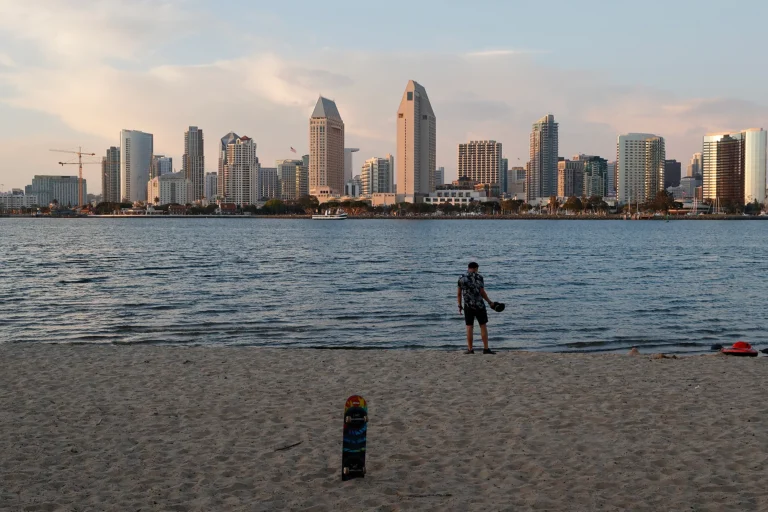
San Diego California Coastal Property Values Defying National Market Slowdown
A cooling market does not hit every coastline the same way. San Diego California Coastal Property Values are holding up because buyers are not only buying bedrooms, square footage, or school zones. They are buying scarce ocean access, mild weather, short commutes to strong job centers, and a lifestyle that cannot be built farther inland. That is the piece many national headlines miss. The national housing slowdown has made buyers more careful, but it has not erased the premium attached to places like La Jolla, Del Mar, Encinitas, Solana Beach, Point Loma, and Pacific Beach. In fact, current Coastal San Diego data shows median prices around the $2 million mark, with prices still up year over year in recent Redfin tracking. For readers watching real estate market coverage, the lesson is simple: San Diego’s coast is not immune to rate pressure, but it moves by a different set of rules than broad U.S. housing charts.
Why Coastal Property Values Hold When Broader Markets Cool
The first thing to understand is that San Diego’s coast is not a normal supply-and-demand story. In many U.S. cities, prices soften when buyers pull back because sellers must compete against new subdivisions, cheaper suburbs, and a wide range of substitute homes. Along San Diego’s coastline, the substitute is weaker. A buyer who wants to walk to Windansea, surf before work in Encinitas, or own near the bay in Point Loma cannot find the same thing in Temecula at half the price. Cheaper, yes. Same asset, no.
Why San Diego Real Estate Does Not Trade Like Inland Supply
San Diego real estate has a built-in scarcity that inland markets rarely match. The ocean blocks expansion on one side. Protected land, military uses, canyons, height limits, and older neighborhood patterns block easy growth in other directions. That makes the coast feel less like a wide-open housing market and more like a limited shelf of assets.
This does not mean every listing gets a bidding war. It means sellers with strong locations can wait longer than owners in overbuilt markets. A dated cottage west of Interstate 5 may still attract interest because buyers see the land, the air, the walkability, and the future resale story. The kitchen can be changed. The coast cannot be moved.
A small example says a lot. A family comparing a newer inland home with a smaller coastal bungalow may end up choosing the bungalow because weekends become part of the purchase. Less yard. More beach. That trade-off sounds emotional, but it affects price behavior in a measurable way.
How the National Housing Slowdown Changes Negotiation
The national housing slowdown has not removed San Diego’s coastal premium, but it has changed the tone of deals. Buyers are asking harder questions. They want inspection credits, rate buydowns, closing cost help, or a list price that leaves room for repairs. That is healthy. A market can stay expensive and still become less frantic.
Redfin’s broader San Diego County data shows a market that is not running wild, with a county median sale price near $922,000 in May 2026 and a sale-to-list ratio close to 99.4%. That tells a more honest story than either “crash” or “boom.” Sellers still have support, but buyers are no longer writing blank-check offers on every home.
Here is the non-obvious part: softer negotiation can help high-end coastal areas stay stable. When buyers feel they can win small concessions, they are less likely to leave the market entirely. A $25,000 repair credit on a $2 million property does not make the home cheap, but it can make the buyer feel the deal has discipline.
The Local Supply Math Behind San Diego’s Price Floor
After price behavior, supply is the next piece. San Diego has been short on housing for years, and the coast carries the tightest version of that shortage. The official SANDAG housing need data says the region needs 171,685 housing units by 2029, with three out of five needing to be affordable. That is not a small gap. It is the background pressure under nearly every local housing conversation.
Why California Coastal Homes Face a Slow Replacement Cycle
California coastal homes often sit in neighborhoods where change happens house by house, not block by block. A teardown in Bird Rock, Leucadia, or Ocean Beach may add one better home, not 80 new units. Even when a property is rebuilt, the final product often enters the upper price tier because land, labor, permits, insurance, and financing costs are high.
That slow replacement cycle matters. In Phoenix, Dallas, or parts of Florida, builders can answer demand with large new communities. Along the San Diego coast, the response is slower, smaller, and more expensive. The result is a market where weak demand may cool price growth but rarely floods buyers with options.
The counterintuitive insight is that remodeling can tighten affordability. A modest coastal house that once served a middle-income family may return as a luxury rebuild with ocean-view decks, higher-end finishes, and a price far above the old neighborhood entry point. New investment improves the street, yet it can shrink the lower-cost buyer pool.
The Coastal Rules That Shape What Can Be Built
The California Coastal Commission exists to protect coastal access and guide environmentally sound development along the state’s shoreline. That mission matters in a place where the coast is both a public treasure and a private real estate market. The tension is easy to see: people want more homes near the beach, but they also want views, access, parking, habitat protection, and neighborhood character.
This tension slows the market in ways that do not always show up in national housing charts. A builder cannot treat a coastal parcel like a blank sheet. Design review, community pushback, environmental concerns, parking rules, and height limits can all shape the final project. Even when rules change, the actual homes take time.
For buyers, that means inventory relief is unlikely to arrive all at once. For owners, it means the land beneath their home carries value beyond the structure. That is why a small house in Cardiff or Crown Point may look overpriced to an outsider but still make sense to a local buyer who understands replacement cost and scarcity.
What Buyers and Investors Should Read Beneath the Headline
A headline about San Diego beating a slowdown can tempt people into lazy thinking. Some buyers hear it and rush. Some sellers hear it and overprice. Both reactions are risky. The better move is to separate coastal strength from automatic appreciation. A strong location still needs the right entry price, the right hold period, and a clear plan for ownership costs.
Are California Coastal Homes Still Worth the Premium?
California coastal homes can be worth the premium when the buyer understands what the premium buys. It is not only a view. It is lifestyle demand, tenant demand, resale depth, and land that is hard to replace. For a long-term owner, those pieces can matter more than a small dip in one year’s price chart.
Zillow’s San Diego page shows average home value above $1 million in 2026, even while the city has seen a year-over-year decline in that measure. That mix is useful. It shows that San Diego can be expensive and still experience pullbacks. A buyer should not treat a coastal purchase as magic. It is still real estate, and the wrong price can hurt.
Think about a condo near the beach with high HOA dues versus a smaller detached home farther from the sand. The condo may rent well during peak demand, but fees can eat cash flow. The detached home may need more repairs, but the land share may age better. The better buy depends on the plan, not the postcard view.
How Investors Should Judge Rent, Risk, and Resale
Investors need a cooler head than lifestyle buyers. A coastal duplex in Pacific Beach may attract steady tenant interest, but the numbers can still be thin after taxes, insurance, maintenance, and financing. A short-term rental idea may sound attractive until local rules, vacancy, cleaning costs, and neighbor pressure enter the picture.
The smarter investor starts with three questions:
- Can this property carry itself during a flat price period?
- Does the location protect resale if rates stay high?
- Is the upside based on real improvement, not wishful thinking?
This is where California real estate buying checklist and San Diego neighborhood investment guide can help you compare areas without falling for surface-level charm. A clean spreadsheet may not feel romantic, but it saves people from buying a lifestyle and calling it an investment.
The non-obvious point is that a lower cap rate may still make sense in a rare coastal area if the investor has patient capital. The mistake is pretending appreciation will cover every weak number. It might. It might not. Good investors do not need a perfect market. They need a margin of safety.
Where Risk Still Lives Along the Coast
A strong coastal market does not mean a risk-free market. San Diego has expensive insurance, aging housing stock, salt-air wear, bluff concerns in certain areas, traffic limits, and affordability pressure that can thin the buyer pool. When monthly payments rise, even wealthy buyers become selective. The coast has protection, but not armor.
When High Prices Start Shrinking the Buyer Pool
There is a ceiling to every buyer’s patience. Even in desirable areas, buyers compare monthly payments against income, stock portfolios, business cash flow, and other life goals. A household may love Del Mar but choose Carmel Valley. Another may want La Jolla but settle near University City. Desire drives tours. Payment math closes deals.
Recent reporting based on Zillow data found five San Diego County cities where typical starter homes were above $1 million as of April 2026, while the national typical starter home figure was far lower. That gap explains both strength and strain. Expensive entry points protect existing owners, but they also narrow the next generation of buyers.
Here is the twist: too much strength can become a weakness. If nurses, teachers, service workers, young professionals, and first-time buyers cannot live near job centers, the region loses some of the daily life that makes coastal neighborhoods feel alive. A place can remain expensive while becoming harder to sustain socially.
Why Climate, Insurance, and Maintenance Matter More Now
Coastal ownership comes with beauty and wear. Salt air ages metal. Moisture tests older windows. Bluff areas need careful review. Low-lying zones can raise flood questions. Insurance markets across many parts of the country have become more sensitive to risk, and California buyers know that coverage terms can change the real cost of ownership.
A buyer looking at a charming older home near the water should price the boring stuff first. Roof age. Drainage. Electrical panels. Sewer lines. Foundation movement. Window quality. Termite history. These details can turn a dream home into a repair schedule with ocean breezes.
The safer way to read the market is not “the coast always wins.” It is “the coast gives strong assets a better chance to hold value when bought with care.” That difference matters. The first sentence sounds like a sales pitch. The second sounds like how experienced locals think.
Conclusion
San Diego’s coast keeps proving that national averages can hide local truth. A broad U.S. slowdown may soften demand, extend negotiations, and expose overpriced listings, but it does not erase the forces that make this shoreline rare. Limited land, strong lifestyle demand, high local incomes, and slow new supply keep the best coastal neighborhoods in a different lane from many inland markets.
The next chapter for Coastal Property Values will not be a straight climb. Buyers will push back. Some sellers will need price cuts. Older homes with hidden repair costs will get punished faster than polished listings in prime spots. That is not weakness; it is price discovery.
For homeowners, the message is to protect the asset, not assume the ZIP code does all the work. For buyers, the better move is patience with discipline, not fear. Study the block, the structure, the carrying costs, and the resale story before you fall for the view. The coast rewards clear eyes.
Frequently Asked Questions
Is San Diego coastal real estate still strong in 2026?
Yes, the coastal market remains stronger than many inland and national areas, but it is not moving with blind momentum. Buyers are more selective, and overpriced homes can sit. Prime locations still attract demand because true coastal supply stays limited.
Why are San Diego beach-area homes so expensive?
Prices are high because land near the ocean is scarce, new supply is hard to add, and demand comes from local buyers, remote workers, retirees, investors, and second-home shoppers. The home is only part of the price. The location carries much of the value.
Will San Diego home prices crash if the national market slows?
A deep crash is less likely in prime coastal areas unless job losses, forced selling, or credit stress rise sharply. Prices can soften, though. The more realistic risk is flat growth, longer selling times, and sharper negotiation on weaker listings.
What San Diego coastal neighborhoods hold value best?
Areas with walkability, beach access, strong schools, village centers, and limited buildable land tend to hold up better. La Jolla, Del Mar, Encinitas, Solana Beach, Point Loma, and parts of Pacific Beach often draw steady attention, though each block still matters.
Are coastal condos in San Diego a good investment?
They can work when HOA dues, rental rules, reserves, insurance, and repair costs make sense. A low-maintenance condo near the beach may rent well, but high monthly fees can weaken returns. Always study the building, not only the neighborhood.
Should buyers wait for lower prices in San Diego?
Waiting can help if you need more inventory or better negotiating power. It can hurt if rates, rents, or prime listings move against you. The best approach is to watch specific neighborhoods and act only when the payment and property condition both make sense.
How does limited housing supply affect San Diego prices?
Limited supply keeps pressure under prices because buyers compete for fewer well-located homes. Even when demand cools, the shortage can prevent a large drop. This is stronger near the coast, where land constraints make quick new construction hard.
What should investors check before buying coastal property?
Focus on cash flow, local rental rules, insurance, maintenance, tenant demand, and resale depth. Do not assume beach proximity fixes weak numbers. A good coastal investment should survive a flat market without depending on fast appreciation.