
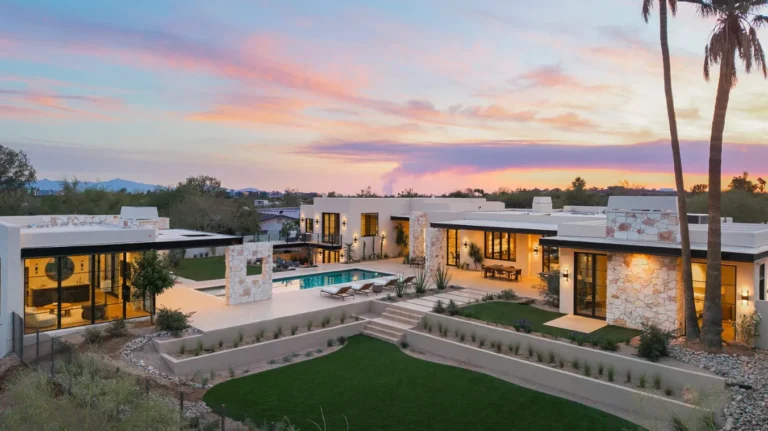
Scottsdale Arizona Luxury Real Estate Market Attracting California Transplants
A buyer leaving Los Angeles does not look at Scottsdale the way a local first-time buyer does. The luxury real estate market here sits at the meeting point of lifestyle, tax math, climate trade-offs, and the simple hunger for more space. For many California transplants, the draw is not only a bigger house. It is a different daily rhythm: gated desert communities, golf views, quieter streets, private pools, and a home office that does not feel squeezed into a hallway. Scottsdale’s median sale price was near $969,000 for the three months ending April 2026, according to Redfin, which helps explain why this is not a bargain-bin relocation story. It is a value-shift story. Buyers who sold in coastal California often arrive with more cash, sharper expectations, and less patience for weak property details. They compare neighborhoods like DC Ranch, Silverleaf, Troon North, and Paradise Valley-adjacent pockets with a clear question: what does my money buy in real life? For more market-focused property reading, real estate investment insights can help frame that bigger decision.
Why Scottsdale Arizona Luxury Real Estate Market Pulls West Coast Buyers
Scottsdale has always had polish, but the newer wave of out-of-state demand changed the tone. The city is no longer only a winter escape for retirees or a golf-heavy second-home stop. It has become a serious landing place for executives, business owners, remote workers, and families leaving higher-cost California metros. The friction is clear: they want privacy and space, but they still expect restaurants, schools, design, wellness, airport access, and a strong resale story.
Why do California buyers see Scottsdale as a lifestyle upgrade?
A Southern California seller may trade a 2,200-square-foot house near traffic for a larger desert home with mountain views, a pool, a guest casita, and a three-car garage. That sounds simple, but the emotional pull runs deeper. In Scottsdale, the home often becomes the center of the lifestyle rather than a place to recover from the commute.
That matters for California transplants who are tired of paying premium prices while still feeling boxed in. Scottsdale offers a different kind of high-end living: outdoor kitchens, shaded patios, home gyms, wine rooms, and floor plans that make hosting easy. The desert does not hide its heat, yet many buyers accept that trade because the home itself works harder.
The counterintuitive piece is that Scottsdale is not always cheaper in the way outsiders expect. Zillow placed Scottsdale’s average home value above $859,000 as of May 31, 2026, with values up 1.7% year over year. That number does not scream discount. Still, buyers from coastal California often judge value by space, control, taxes, and daily comfort, not price alone.
What makes high-end Scottsdale homes different from coastal properties?
Many Scottsdale homes are built around indoor-outdoor living in a way that feels more natural than forced. A courtyard entry, covered patio, negative-edge pool, and glass walls may sound like listing language, but in the desert they shape daily life. Morning coffee faces the McDowell Mountains. Evening dinners happen outside for much of the year.
California buyers also notice the parking, storage, and lot size. A garage that fits cars, bikes, golf gear, and holiday storage feels plain until you have lived without it. That small detail becomes a luxury fast.
There is a catch. Desert property needs a different eye. Roof exposure, HVAC age, sun-facing windows, irrigation, pool systems, and drainage around hardscape can change the cost of ownership. A pretty house can become expensive if the buyer only sees the view. That is where local due diligence beats glossy photography every time.
The California-to-Scottsdale Math Is About More Than Price
The move from California to Arizona is often explained as a tax move, but that is too thin. Taxes matter. So do insurance, upkeep, commute time, business flexibility, and what a buyer can do with equity from a prior sale. The buyer who treats Scottsdale as a cheap substitute for California usually reads the market wrong. The buyer who treats it as a full financial reset reads it better.
How does Arizona’s tax picture shape relocation decisions?
Arizona’s tax structure is a major part of the appeal for high-income movers. The Arizona Department of Revenue lists a 2.5% individual income tax rate for all income levels and filing statuses, which is easier for many buyers to understand than a steep progressive state tax system. That does not mean every household saves the same amount. It means tax planning becomes part of the home search, not an afterthought.
A business owner moving from Orange County may care less about the monthly mortgage than the full household balance sheet. Income tax, property tax, business structure, car registration, private school, club dues, insurance, and travel back to California all sit in the same bucket. The house is one line in a larger move.
This is where Arizona luxury homes can feel financially lighter even when the purchase price is high. The buyer may pay a strong price for the property, then gain room in the rest of the budget. That gap often funds upgrades: solar, better windows, pool renovation, a guest casita refresh, or a more serious landscape plan.
Why cash strength changes the local buying table
California equity can make Scottsdale offers harder to beat. A buyer who sold a Bay Area or coastal Los Angeles property may arrive with enough cash to avoid the stress of a large loan. That does not mean they overpay blindly. It means they can move faster, write cleaner terms, and ignore rate noise that slows other buyers.
Sellers notice. In upper-tier neighborhoods, certainty has a price. A clean close, fewer contingencies, and proof of funds can carry weight even when another offer looks similar on paper.
Still, cash does not remove risk. A buyer can win the house and lose the deal after closing if they miss local cost details. A pool resurfacing project, two older HVAC units, and sun-damaged exterior wood can turn a “move-in ready” home into a six-figure first-year punch list. The best buyers do not treat cash as a weapon. They treat it as protection.
For readers comparing relocation and ownership strategy, out-of-state home buying tips should sit next to the property search from day one.
Neighborhood Fit Matters More Than the Biggest House
Once buyers understand the money, the next mistake is chasing size before fit. Scottsdale is not one lifestyle. Old Town energy, North Scottsdale privacy, golf community calm, equestrian edges, and resort-like guard-gated pockets all serve different buyers. The wrong area can make a beautiful house feel slightly off every week.
Which Scottsdale areas attract California transplants?
North Scottsdale often draws buyers who want space, desert views, and a quieter daily pace. Troon North appeals to golf-focused buyers and people who want a more rugged Sonoran backdrop. DC Ranch and Silverleaf attract buyers who want polish, private clubs, strong design controls, and a strong social layer. Gainey Ranch and McCormick Ranch can feel easier for buyers who want mature landscaping and faster access to central Scottsdale.
A family leaving San Diego may love the clean look of a hillside home near Troon, then realize school logistics or youth sports travel push them south. A couple from Santa Monica may think they want total privacy, then miss walkable dinners and coffee. These are not minor lifestyle details. They decide whether the move feels good after the novelty wears off.
California transplants often arrive with a coastal map in their head. Beach distance, freeway rhythm, and neighborhood status shaped their old search. Scottsdale asks different questions: How much sun hits the west side of the house? How far is the nearest trail? How strict is the HOA? How long is the drive to Sky Harbor on a Friday afternoon?
Why the “best” community may not be the best fit
The most expensive community is not always the smartest buy. A buyer may pay for prestige they do not use. Private club access, guard gates, golf frontage, and large lots all carry value, but they should match the way you live. If you travel often, a lock-and-leave villa may serve you better than a large estate with constant maintenance needs.
This is where Scottsdale homes can surprise buyers. A less showy property with better orientation, stronger mechanicals, and a calmer street may age better than a larger house with weak bones. The desert rewards practical beauty. Shade, airflow, storage, and durable materials matter as much as the first impression.
One non-obvious point: resale may depend on restraint. Over-customized interiors can hurt a home even in wealthy neighborhoods. A buyer may love a dramatic theater room or themed wine cellar, but the next buyer may see removal costs. In Scottsdale, timeless desert design often travels better than loud luxury.
For deeper ownership planning, luxury home inspection checklist is worth pairing with any neighborhood shortlist.
What Buyers Should Check Before Making the Move
By the time a California buyer finds the right home, the emotional pull can be strong. The light hits the mountains. The pool looks perfect. The kitchen feels twice as usable as the old one. This is when discipline matters most. Scottsdale rewards buyers who slow down long enough to understand water, heat, HOA rules, insurance, and long-term maintenance.
What should buyers inspect beyond the usual checklist?
A normal inspection is not enough for high-end desert property. You want specialists for the roof, pool, HVAC, windows, irrigation, sewer or septic if relevant, and low-voltage systems. A luxury home can hide problems behind beautiful finishes. A wall of glass may frame the view while driving cooling costs up every summer.
Pool systems deserve close attention. Pumps, heaters, automation, plaster, tile, decking, and drainage all matter. So does landscaping. Desert plants are lower-water than lawns, but they are not maintenance-free. Irrigation leaks can go unnoticed until a water bill or soil issue points them out.
Water planning should also be part of the conversation. Scottsdale’s official water resources page notes that the city has a Drought Management Plan for reduced supply conditions, which matters for buyers thinking long term in the desert. That does not mean panic. It means smart buyers ask better questions about landscaping, water features, and future rules before they fall in love with a backyard.
How can buyers avoid overpaying in a polished market?
The best way to avoid overpaying is to separate emotion from replacement cost. Ask what it would cost to build or renovate the same features today. Then ask which features will still matter five years from now. A mountain view may hold value. A trendy finish package may not.
Look at days on market, price cuts, nearby closed sales, lot quality, and builder reputation. Do not judge by list price alone. Some sellers price for aspiration. Others price for movement. The gap between the two is where good negotiation lives.
Scottsdale’s upper end can stay firm while the middle of the high-end range becomes more negotiable. That sounds strange, but it happens because ultra-wealthy buyers are less rate-sensitive, while buyers in the $1 million to $3 million band may still care about financing, insurance, and monthly carry costs. Arizona luxury homes do not all move as one market. Each price tier has its own mood.
A patient buyer can win without acting timid. The goal is not to “steal” the house. It is to buy the right property with clear eyes, clean terms, and enough money left for the first two years of ownership.
Conclusion
Scottsdale’s appeal is not hard to see, but it is easy to oversimplify. The city gives many West Coast buyers more room, more privacy, and a cleaner daily pace than they had before. Yet the smartest move is not driven by desert romance alone. It is built on math, neighborhood fit, home condition, and a sober look at long-term costs. The luxury real estate market will keep attracting buyers who want California-level comfort without California-level friction, but not every house deserves their money. Some properties are priced on hope. Others earn their number through location, design, systems, and land. Your job is to know the difference before you write the offer. Walk the street at different times. Read the HOA rules. Price the repairs. Ask how the home will feel in July, not only in March. Scottsdale can be a powerful next chapter for the right buyer. Make the move with patience, and the desert gives back more than a view.
Frequently Asked Questions
Why are Californians moving to Scottsdale, Arizona?
Many buyers want more space, lower state income tax exposure, privacy, and a calmer daily pace. Scottsdale also offers golf, resort-style living, strong dining, airport access, and high-end communities that feel familiar to buyers leaving coastal California.
Is Scottsdale still worth buying in for luxury home buyers?
Yes, when the property has strong location, good orientation, updated systems, and durable resale appeal. Buyers should avoid paying extra for cosmetic drama while ignoring roof age, HVAC condition, pool systems, water use, and HOA rules.
What price range counts as high-end in Scottsdale?
The answer changes by neighborhood, but many buyers start treating Scottsdale as high-end near seven figures. In areas like Silverleaf, DC Ranch, Troon North, and Paradise Valley-adjacent pockets, prices can climb far higher based on land, views, privacy, and finishes.
Which Scottsdale neighborhoods are popular with out-of-state buyers?
DC Ranch, Silverleaf, Troon North, Gainey Ranch, McCormick Ranch, and parts of North Scottsdale often attract out-of-state interest. Each area fits a different lifestyle, so buyers should compare commute patterns, schools, HOA culture, and daily services.
Do California buyers usually pay cash in Scottsdale?
Some do, especially after selling higher-priced California property. Cash can make an offer cleaner and faster, but it should not replace due diligence. A strong buyer still needs inspections, repair pricing, title review, and neighborhood research.
What hidden costs should Scottsdale luxury buyers expect?
Common costs include pool care, HVAC service, landscape maintenance, roof upkeep, HOA fees, pest control, window repairs, and higher summer utility bills. Larger homes also carry more replacement risk because every system is bigger and often more expensive.
Is Scottsdale better for a primary home or second home?
It can work for both. Primary buyers often focus on schools, commute, medical care, and community feel. Second-home buyers may care more about lock-and-leave design, HOA services, airport access, security, and low-maintenance outdoor spaces.
Should buyers rent before purchasing in Scottsdale?
Renting can help if you are unsure about neighborhood fit. A few months in the area can reveal traffic patterns, heat tolerance, preferred restaurants, school logistics, and whether you want walkability, privacy, golf access, or mountain views.