Why Mixed Use Neighborhoods Are Becoming the New Standard for Homebuyerslandsculture.com
Homebuyers are no longer looking only at the size of a property or the number of bedrooms it offers. Many now consider how easily they can reach workplaces, stores, schools, parks, restaurants, and essential services. This shift has made mixed use neighborhoods increasingly attractive. These communities combine residential, commercial, recreational, and sometimes office spaces within one connected area.
The appeal of mixed use development comes from convenience, stronger community life, better mobility, and long term property potential. As lifestyles become busier and people place greater value on accessibility, these neighborhoods are becoming a preferred choice for buyers across different age groups.
Everyday Convenience Matters More
One of the biggest advantages of a mixed use neighborhood is the ability to complete daily tasks without traveling long distances. Residents may be able to walk to a grocery store, pharmacy, cafe, fitness center, or workplace. This saves time and reduces dependence on cars.
For families, the presence of nearby schools, health facilities, and parks can make everyday routines easier. Young professionals may value quick access to offices and entertainment, while older buyers often appreciate having essential services close to home.
Homebuyers researching land records, ownership details, or local development plans may also use digital resources such as bhu naksha portal rajasthan to understand property boundaries and regional information before making a decision.
Walkability Is Becoming a Priority
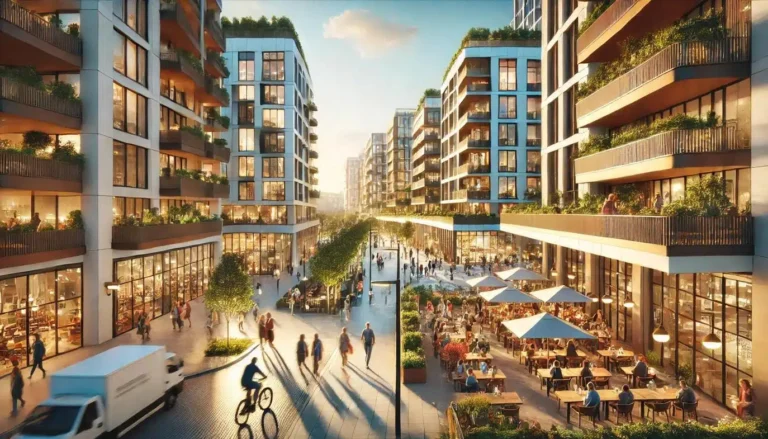
Walkability has become an important factor in modern home buying. A neighborhood that allows residents to walk safely to shops, public spaces, and services often feels more connected and active.
Well designed mixed use communities usually include sidewalks, pedestrian crossings, green areas, and public gathering spaces. These features encourage people to spend more time outdoors and interact with neighbors.
Walkable areas can also support healthier routines. Residents may naturally become more active when walking is a practical part of daily life rather than a separate activity that must be planned.
Local Businesses Strengthen Communities
Mixed use neighborhoods often support small businesses by placing them close to a steady residential population. Cafes, salons, clinics, stores, and professional services can benefit from regular local customers.
This creates a stronger local economy and gives the neighborhood its own identity. Residents often enjoy having familiar businesses nearby and may feel more connected to the people who operate them.
Entrepreneurs exploring government support, business schemes, or self employment opportunities may come across platforms such as www.cmyuvaudyamiyojana.com while researching ways to start or expand a local business.
Better Use of Space
Mixed use development allows planners to use land more efficiently. Instead of separating homes, offices, and shops into distant zones, different functions are brought together in one area.
This can reduce unnecessary travel and make better use of public infrastructure. Roads, utilities, public transport, and community facilities can serve more people within a smaller area.
Buyers examining regional land information may use resources such as mee bhoomi andhra to review property related records and gain a clearer understanding of land status before moving forward.
Stronger Long Term Property Appeal
Homes in well planned mixed use neighborhoods may remain attractive because they offer practical benefits that many buyers value. Convenient locations, walkable streets, nearby services, and access to public transport can support steady demand.
However, buyers should still evaluate factors such as noise, traffic, parking, building quality, and future construction plans. A lively commercial area may be appealing to one buyer but less suitable for someone seeking complete privacy.
Construction workers, contractors, and laborers involved in developing these communities may also look for welfare or registration related information through websites such as www.theupbocw.com.
A Lifestyle Focused Choice
Mixed use neighborhoods represent a broader change in what people expect from where they live. A home is no longer viewed as an isolated property. It is part of a larger environment that shapes convenience, health, social life, and daily routines.
As homebuyers continue to prioritize accessibility, walkability, local services, and connected communities, mixed use neighborhoods are likely to become even more common. Their ability to combine housing with work, shopping, recreation, and public spaces makes them well suited to modern lifestyles and changing buyer expectations.